
What Is Regenerative Gardening? 8 Ways to Restore Soil and Support Biodiversity at Home
Updated: 6 hours ago
Regenerative gardening is a way of growing that looks beyond production alone. The goal is not perfection. It is to make choices that help the living systems around us including soil, plants, insects, wildlife, water, and people so that they become healthier over time.
At home, that can look surprisingly ordinary: protecting bare soil, returning organic matter, growing a wider mix of plants, making space for pollinators, and paying attention to what a particular site is teaching you. In an urban garden, a patio, or a few containers, those choices can turn food-growing into a more connected practice.
What is regenerative gardening?
Regenerative gardening is a practical, place-based approach to growing that aims to restore and support ecological relationships while producing food, beauty, or both. Rather than treating a garden as a collection of separate plants that need to be controlled, it treats the space as a living system worth observing and caring for.

There is no universal score or certification that makes a home garden “regenerative.” Conditions, resources, climate, access, and time all matter. The useful question is, “What can I do here that protects life, reduces unnecessary extraction, and leaves this small space in better relationship with the world around it?”
Sustainable gardening versus regenerative gardening
Sustainable gardening often focuses on reducing harm: using fewer disposable inputs, conserving resources, avoiding unnecessary chemicals, and choosing durable materials. Those are meaningful practices.
Regenerative gardening includes those choices, then asks a further question: can this garden actively support more life? That may mean rebuilding organic matter, keeping the soil covered, increasing plant diversity, offering nectar or shelter, and adapting to what the season reveals. It is a direction of travel, not a promise of constant improvement.
8 ways to practice regenerative gardening at home

1. Protect soil and disturb it less
Soil is not just something plants sit in. It is a living community. Keep beds covered with leaves, mulch, living plants, or another appropriate ground cover when possible. Avoid repeated digging or clearing just for the sake of tidiness, and leave healthy roots in place when it makes sense for the crop and space. Minimal disturbance is a principle, not a rigid rule: sometimes a bed needs to be refreshed or repaired. The point is to make each disturbance intentional.
2. Return organic matter
Compost, leaf mulch, aged manure, and other suitable organic materials can help feed soil life and improve structure over time. Use what is safe and appropriate for your growing situation, and remember that more is not automatically better. Build soil gradually, observe the results, and follow product guidance when using bagged amendments.
3. Grow a greater diversity of plants
A garden filled with only one crop is more limited in what it can offer. Mixing vegetables with herbs, flowers, fruiting plants, and support plants can create more layers of food, fragrance, bloom time, shade, and habitat. Diversity does not guarantee a result, but it gives a garden more ecological relationships to work with.
4. Make room for pollinators and wildlife
Flowering plants, varied structure, shallow water sources maintained safely, and places to perch or shelter can make a small space more welcoming. Observe first: a bee visiting one flower, a bird nesting nearby, or beneficial insects moving through the beds are useful observations. Reduce pest responses using integrated pest management techniques where possible, and address the actual issue you are seeing.
5. Close small loops or habits with the resources you have

Regenerative practice looks for thoughtful ways to keep useful materials in circulation. That might mean composting appropriate food scraps, using toilet paper rolls for seedlings, or saving fallen leafs as mulch. Start with one loop you can maintain. A complicated system that gets abandoned is less useful than a simple habit that becomes part of your routine.
6. Use space carefully, including vertical space
Urban gardens often have limited square footage, but they can still have layers.
Trellises, containers, raised beds, windowsills, and edges can help you grow upward as well as outward. Vertical growing is not only about squeezing in more plants; it can also improve access, airflow, visibility, and how intentionally you tend the space.
7. Observe, document, and adapt
Keep field notes that are honest enough to be useful: what you planted, what you harvested, which plants struggled, when pollinators appeared, what changed after a heat wave, and what was simply not recorded. A seasonal slowdown or missing measurement is not the same as failure. Regenerative gardening depends on responding to a real place, not manufacturing a perfect upward trend.
8. Start where you are. Even in containers or a rental

You do not need land ownership or a large yard to practice these ideas. In containers, begin with good growing medium, keep the surface covered when appropriate, combine edible plants with herbs or flowers, and use containers with drainage that fit your sunlight and watering reality. Renters can focus on portable systems, small experiments, and habits that travel with them. A few well-tended pots can become a meaningful place to learn.
Planting in containers in my small patio garden is what got me started in all of this. Check out my TikTok, @thatgirlsgarden to see what that can look like.
What this looks like in a Central Florida urban garden
The Eco Connection’s Dr. Phillips Urban Garden Project is a living case study
of what these principles can look like in practice. After a significant Central Florida cold event in early February 2026, the restoration baseline included assessing frost damage, refreshing raised beds, adding about 900 pounds of organic compost, and intentionally waiting for recovery to plan the spring garden.

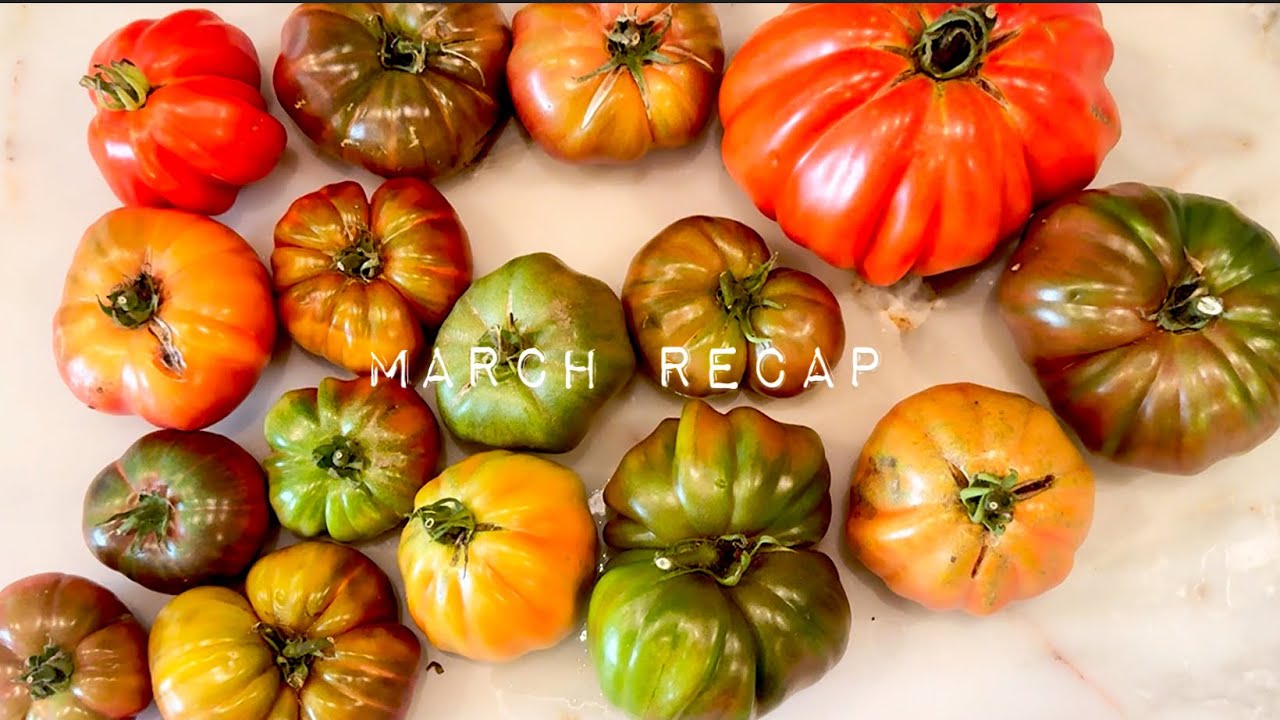
In March, the project added a cattle-panel trellis, established 12 tomato seedlings, harvested 10 watermelon radishes and cherry tomatoes, and expanded companion planting with cucumbers, eggplant, zucchini, marigolds, propagated tomato suckers, and food-scrap growing experiments. Later observations included flowering blackberries and herbs, vertical growth, and continued pollinator activity. Those notes document changes and choices over time; they do not claim a single action caused every outcome.
Explore the Dr. Phillips Urban Garden Project and explore our field notes, seasonal context, and project observations behind the case study.
A simple regenerative gardening starting point
If you are new to this, do not try to overhaul everything at once. Choose one small area and make it easier for life to continue there.
Cover one patch of bare soil with an appropriate mulch or living plant, or pick a cute container.
Add organic garden bed mix for inground, and use an organic potting soil and/or mushroom compost for container planting.
Plant one edible, one herb, and one flowering plant together.
Spend ten minutes observing before buying another product or making a major change.
Write down one thing that thrived, struggled, visited, or surprised you.
That is enough to begin. Over time, those observations can shape a garden that produces food while also supporting more connection, resilience, and care.


Comments